Mohammed Adnan
Most Trusted Study Abroad Expert In Chennai
Empowering Students to Achieve Their Dream With Expertise, Integrity, and Purpose. When passion meets guidance, and purpose meets opportunity — dreams don’t just come true; they transform lives.
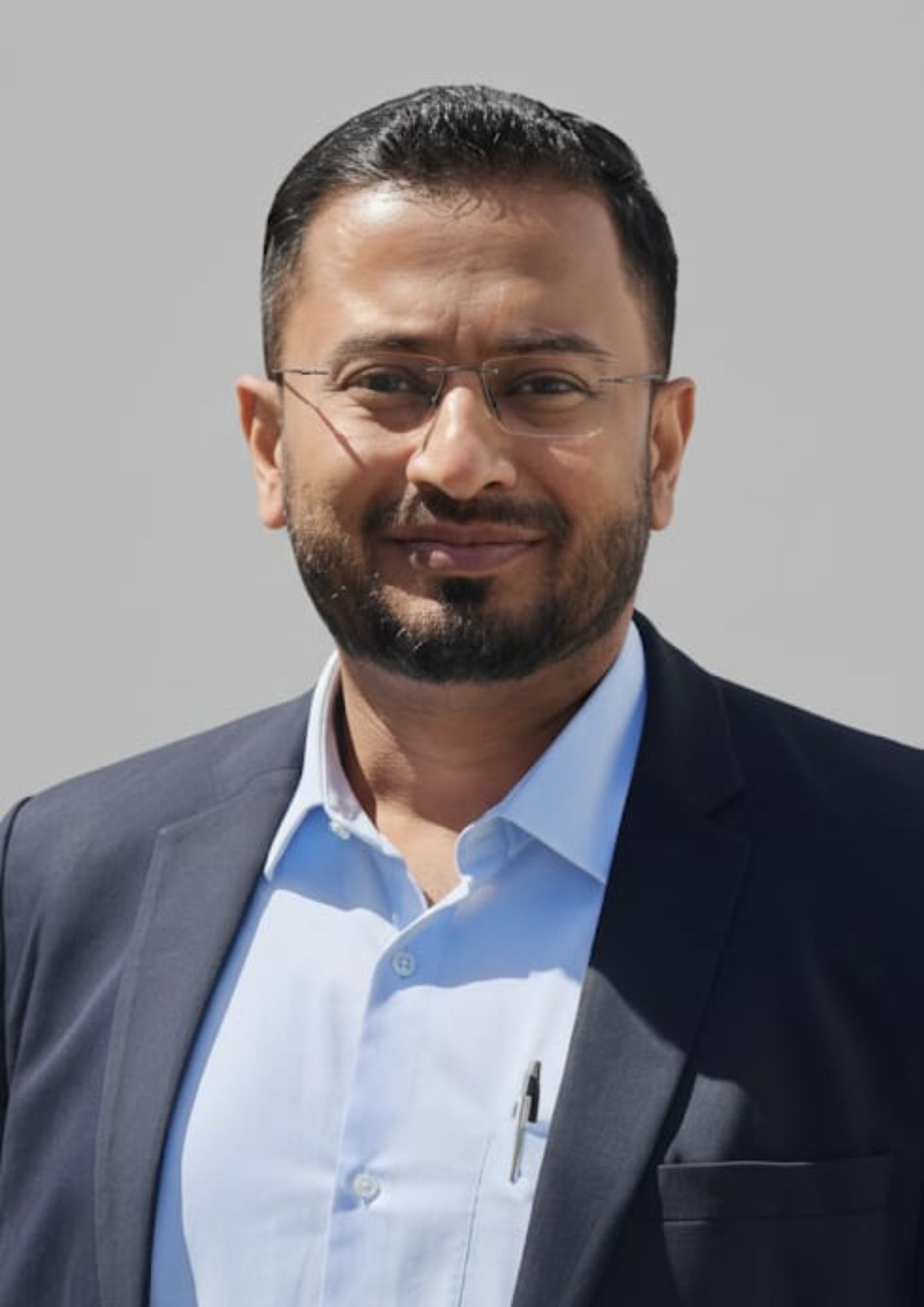
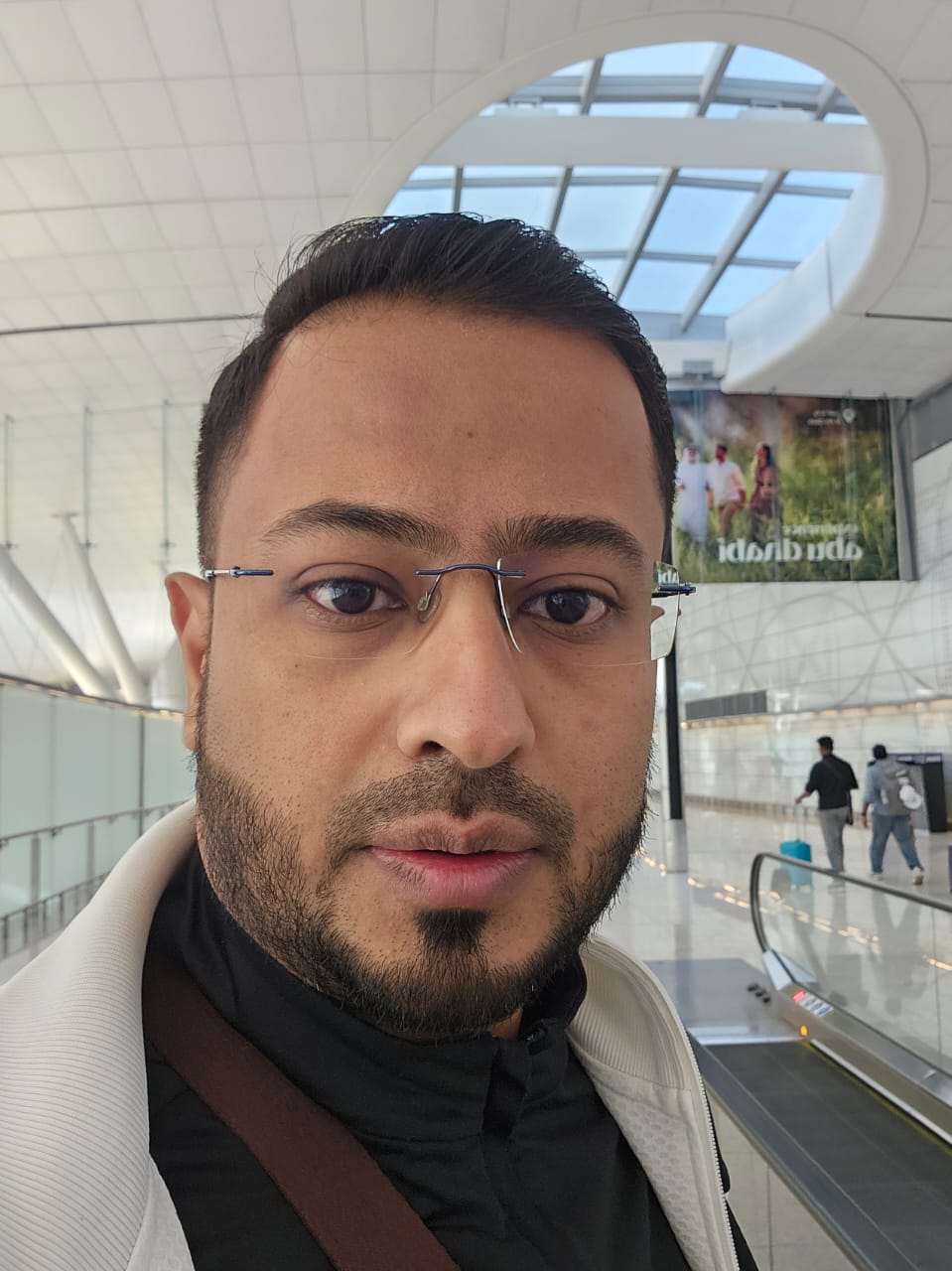
I’m Mohammed Adnan
As a Certified Career Counselling Specialist from University of California – Los Angeles and Senior Manager – USA at IDP Education India, bringing over a decade of experience guiding students toward top U.S. universities. Specialized in personalized USA education counselling, university admissions strategy, and career-focused study abroad planning — helping ambitious learners from Chennai turn their global aspirations into life-changing realities.
Your Success Begins Here
Dreaming of studying in the USA? Your journey starts with the right guidance — from Chennai’s trusted Study Abroad Expert and USA Education Consultant.
As a Certified Career Counselling Specialist from UCLA and Senior Manager – Destination USA at IDP Education India, I’ve guided thousands of students in turning their American education dreams into reality. With over a decade of experience as a study abroad consultant in Chennai, by offering expert support in university selection, profile evaluation, SOP & LOR guidance, student visa counselling, and scholarship advice.
Goal is simple — to help every student study in the USA with confidence, clarity, and purpose. His expertise covers US university admissions, application documentation, career counselling, and pre-departure orientation for global learners.
Working with the best study abroad expert in Chennai – IDP, Adnan provides personalized, end-to-end assistance for students aspiring to study at top American universities. From choosing the right course to navigating visa interviews, every step is crafted with data-driven insights and strategic precision.
Whether you’re planning for STEM, Business, or Management programs, Adnan’s guidance ensures your academic and career goals align perfectly with the right opportunities in the USA.
Start your journey today with Chennai’s most trusted study abroad consultant IDP – because your success begins with expert guidance, global exposure, and a vision that reaches beyond borders.
Your American dream is closer than you think. Let’s begin today — because your success truly begins here.

Ready to start your growth journey?
FAQ's
What is the process for Indian students to study in the USA?
The process to study in the USA begins with research and university shortlisting, followed by standardized tests like IELTS, TOEFL, GRE, or SAT. Once shortlisted, students submit applications, SOPs, LORs, transcripts, and financial documents. After receiving an acceptance and I-20 form, they must pay the SEVIS fee, apply for an F1 visa, attend the visa interview, and then prepare for travel. Early planning significantly increases success.
How do I apply to US universities from India?
To apply to US universities from India, students must shortlist universities, complete entrance exams like GRE, GMAT, IELTS, TOEFL or SAT, prepare academic transcripts, draft a strong Statement of Purpose, collect Letters of Recommendation, and submit online applications before deadlines. Many universities accept applications through portals like the Common App or university websites. After admission, students need financial documentation, I-20 form, and an F-1 visa to begin studies in the USA.
How can Indian students get an application fee waiver for US universities?
Indian students can get application fee waivers through university-specific waiver codes, participation in virtual fairs, attending webinars, applying through the Common App fee waiver option, or by emailing the admissions office with a request citing financial constraints. Many universities waive fees for students from low-income backgrounds or those applying through official education partners. Always check eligibility requirements early to avoid missing waiver deadlines and reduce application expenses.
What is the USA student visa process for Indian students?
The USA student visa process begins after securing admission and receiving Form I-20 from a SEVP-approved institution. Students must pay the SEVIS (I-901) fee, complete the DS-160 form online, schedule a biometrics appointment and visa interview, and attend the interview at a US consulate. Required documents include passport, I-20, DS-160 confirmation, financial proof, academic records, and admission letters. Confidence, clarity, and proof of genuine intent significantly impact visa approval.
What scholarships are available for Indian students to study in the USA?
Scholarships for Indian students include merit-based awards, need-based scholarships, university-specific funding, and full-ride programs like Fulbright-Nehru, Tata Scholarship, AAUW, Knight-Hennessy, and Inlaks. Many US universities also offer Graduate Assistantships and tuition waivers for research and teaching roles. Competitive applications typically require strong academics, exceptional profiles, leadership experience, and compelling essays. Early planning and scholarship-specific applications improve the chances of receiving financial aid in the USA.
How much does it cost to study in the USA for Indian students?
The average cost of studying in the USA ranges from USD 20,000–55,000 per year for tuition, depending on the institution and program. Living expenses typically add USD 10,000–18,000 annually, covering housing, food, health insurance, transportation, and personal costs. Community colleges and public universities are more affordable options. Scholarships, fee waivers, and part-time work can reduce total expenses. Budget planning and early financial preparation are key.
Can international students work while studying in the USA?
Yes, international students on an F-1 visa can work on-campus for up to 20 hours per week during semesters and full-time during breaks. Off-campus work requires authorization through CPT or OPT, which must be directly related to the student’s program of study. Unauthorized employment can result in visa issues, so students should always consult their Designated School Official (DSO) before accepting any job. Work experience boosts career opportunities after graduation.
What part-time job options are available for F-1 visa students in the USA?
F-1 students can work on-campus in roles such as library assistant, cafeteria staff, administrative support, lab assistant, or tutor. After eligibility, they can pursue paid internships through CPT or OPT in their field of study. Some students work in university housing, student unions, or research departments. Off-campus jobs without authorization are prohibited. Part-time work helps reduce expenses and gain professional experience in US workplace environments.
Which are the best US universities for Indian students?
Some of the best US universities for Indian students include MIT, Stanford, Harvard, Carnegie Mellon, UC Berkeley, Purdue, NYU, University of Texas Austin, Arizona State University, and Northeastern University. These institutions are popular due to strong STEM programs, research facilities, post-study work opportunities, and active Indian student communities. The “best” university depends on academic goals, budget, location preferences, and career plans. Rankings and course fit should always be evaluated.
What’s the difference between Spring and Fall intake for studying in the USA?
Fall intake (August/September) is the primary intake with the most course options, scholarships, and admission seats, making it more competitive. Spring intake (January) offers fewer programs but is ideal for students needing more preparation time. Fall semesters align better with internships and full academic year planning, while Spring intake offers quicker admission timelines. Both intakes provide equal visa benefits, but Fall offers stronger networking and campus activities.
Which US universities accept students without a GRE score?
Many universities have waived GRE requirements, especially after COVID-19. Popular no-GRE options include University of Arizona, Northeastern University, George Mason University, NYU Tandon (case-by-case), Colorado State University, University of Dayton, and SUNY Buffalo (selected programs). Some programs allow GRE waivers based on strong academics, work experience, or GPA. Always confirm requirements on official websites, as policies change frequently and some programs still recommend GRE for competitive applicants.
How do I start planning to study in the USA from India?
Start 12–18 months early by researching courses, universities, and eligibility requirements. Prepare for standardized tests (GRE, GMAT, IELTS, TOEFL, SAT), build a strong profile, write your SOP, gather recommendations, and apply before deadlines. Arrange finances, explore scholarships, and understand visa requirements. After acceptance, pay the SEVIS fee, apply for a visa, and prepare for travel. Early planning ensures better university options, scholarships, and smoother visa processing.
Can I get into a US college with a low GPA as an Indian student?
Yes, students with low GPAs can still get admission to US universities by strengthening other profile elements such as work experience, strong SOP, professional certifications, research, and high test scores (GRE, GMAT, IELTS). Many universities evaluate applications holistically, and some accept students through conditional admission or pathway programs. Community colleges are also a pathway to transfer to top universities. Transparency and explanation of academic gaps help improve chances.
What are the common application requirements for Indian students applying to US universities?
Common requirements include academic transcripts, GPA records, English proficiency scores (IELTS/TOEFL), standardized test scores (GRE/SAT/GMAT), Statement of Purpose, Letters of Recommendation, updated resume, passport copy, financial documents, and application fee. Some programs may also require portfolios, interviews, or video assessments. Requirements vary by course and university, so checking individual guidelines is essential. Early preparation and document organization significantly improve application success.
How can I prepare for the US student visa interview?
Prepare by understanding your program, university, finances, and future goals. The visa officer evaluates intent, financial stability, and genuine student status. Be confident, concise, and consistent with the information in your application and I-20. Practice common questions related to course choice, sponsor funding, and post-study plans. Carry all required documents, maintain strong eye contact, and avoid memorized responses. Clear communication and transparency improve approval chances.
What courses are currently in high demand in the USA for Indian students?
High-demand courses in 2025 include Computer Science, Data Science, AI & Machine Learning, Cybersecurity, Business Analytics, Biotechnology, Robotics, Public Health, Renewable Energy, Supply Chain Management, Cloud Computing, and UX/UI Design. STEM courses remain most popular due to strong job prospects, OPT extension benefits, and higher salaries. Choosing a future-proof field aligned with technology, sustainability, or healthcare significantly increases employability in the USA.
What is the average living cost in the USA for international students?
The average living cost ranges from USD 900–1,800 per month depending on the city, lifestyle, and on/off campus housing. Expenses include rent, food, transport, utilities, internet, phone, and health insurance. Cities like New York, Boston, and San Francisco are more expensive, while Texas, Arizona, Ohio, and Midwest states are more affordable. Budgeting, shared accommodation, and part-time work help reduce monthly costs for international students.
What are the top-ranked universities in the USA for Indian students in 2025?
Top-ranked universities for 2025 include MIT, Stanford, Harvard, University of California Berkeley, Carnegie Mellon, Georgia Tech, University of Illinois Urbana-Champaign, University of Michigan, and Cornell University. These universities excel in STEM, research, faculty, innovation, and employability. Rankings may vary based on QS, Times Higher Ed, or US News lists, so students should focus on program relevance, scholarships, and career outcomes—not just brand names.
How do I write a strong SOP for US university applications?
A strong SOP should clearly communicate your academic background, career goals, research interests, and motivation for choosing the program and university. Use a storytelling approach, avoid clichés, and show genuine passion and clarity. Highlight achievements, projects, internships, and long-term plans. Customize each SOP to the institution and avoid generic content or plagiarism. Admission committees value authenticity, clarity, and logical career alignment over exaggerated claims.
Which US states are best for Indian students in terms of safety and opportunities?
States like Texas, California, Massachusetts, New York, Illinois, and Washington are popular due to strong universities, large Indian communities, job markets, and internship access. For affordability and safety, states like Ohio, Indiana, Arizona, Iowa, and North Carolina are excellent choices. Factors to consider include job availability, cost of living, post-study work options, weather, and cultural diversity. Safety rankings vary by city, so deeper research is essential.
How does the US education system work for international students?
The US education system follows a credit-based structure, offering flexibility through majors, minors, electives, and interdisciplinary options. Students can customize degree pathways and participate in research, internships, and campus activities. The system includes community colleges (2-year), bachelor’s (4-year), master’s (2-year), and PhD programs. Assessment methods include assignments, projects, quizzes, presentations, and continuous evaluations. Academic freedom and experiential learning make US education globally respected.
How can international students find internships while studying in the USA?
Students can find internships through university career centers, online platforms like LinkedIn and Handshake, networking events, job fairs, faculty referrals, and CPT-based partnerships. It’s essential to create a strong resume, improve LinkedIn profile, and practice interview skills. F-1 students must receive CPT or OPT authorization from their university before starting an internship. Early applications, networking, and skill-building significantly increase internship success.
Which STEM courses are popular among international students in the USA?
Popular STEM courses include Computer Science, Data Science, AI & ML, Cybersecurity, Cloud Computing, Mechanical Engineering, Electrical Engineering, Civil Engineering, Biotechnology, Physics, Environmental Science, and Robotics. These programs offer strong job opportunities, high salaries, and eligibility for a 3-year STEM OPT extension. With global investments in technology and sustainability, STEM graduates remain in demand across US industries, research labs, and Fortune 500 companies.
Which US universities offer scholarships to Indian students?
Universities offering scholarships include Harvard, Stanford, MIT, University of Southern California, Purdue, NYU, University of Texas Dallas, Arizona State University, and Northeastern University. Many offer merit-based, need-based, and assistantship funding. Programs like Fulbright, AAUW, Inlaks, and Tata Trusts also support Indian students. Most scholarships require strong academic profiles, leadership experience, and early applications. Always verify criteria and apply well before deadlines for higher success rates.
Is New York or California more affordable for international students?
Both states are expensive, but California offers more affordable suburban or inland cities compared to New York City. Living costs depend on campus location, rent, and lifestyle. California has more public universities and community colleges with lower tuition, while New York offers SUNY institutions with competitive fees. Students can reduce costs through shared housing, part-time work, and budgeting. Affordability varies widely within both states.
How do Indian students convert CGPA to GPA for US applications?
CGPA to GPA conversion is not exact, as US universities use different methods. A common approach is to divide CGPA by the maximum (e.g., 7.8/10 = 3.12/4). However, WES or official evaluation services provide more accurate conversions, especially for graduate applications. Some universities accept transcripts without conversion. Always check university guidelines, avoid self-invented formulas, and clarify conversion charts if needed.
What are the post-study work options for Indian graduates in the USA?
Indian students can work in the USA through OPT (Optional Practical Training), which allows 12 months of work after graduation. STEM graduates may qualify for a 24-month extension. Many students transition to H1-B work visas through employer sponsorship. Other options include O-1, EB-2, EB-3, and startup-related visas. Job-ready skills, networking, and university career support play key roles in securing employment after studies.
What are the common reasons for F1 visa rejection, and how can I avoid them?
Common rejection reasons include insufficient financial proof, weak academic clarity, inconsistent answers, lack of confidence, unclear intent to return to India, or incomplete documentation. Avoid rejection by preparing thoroughly, demonstrating strong ties to home country, showing genuine academic purpose, and maintaining consistency between application and interview. Presenting authentic financial evidence and clear study goals significantly improves approval chances.